Table of Contents
- Man fatally shot during encounter with U.S. Marshals, officials say ...
- Trump’s New Lawyer Calls DOJ’s Case a Shocking Abuse of Power - WSJ
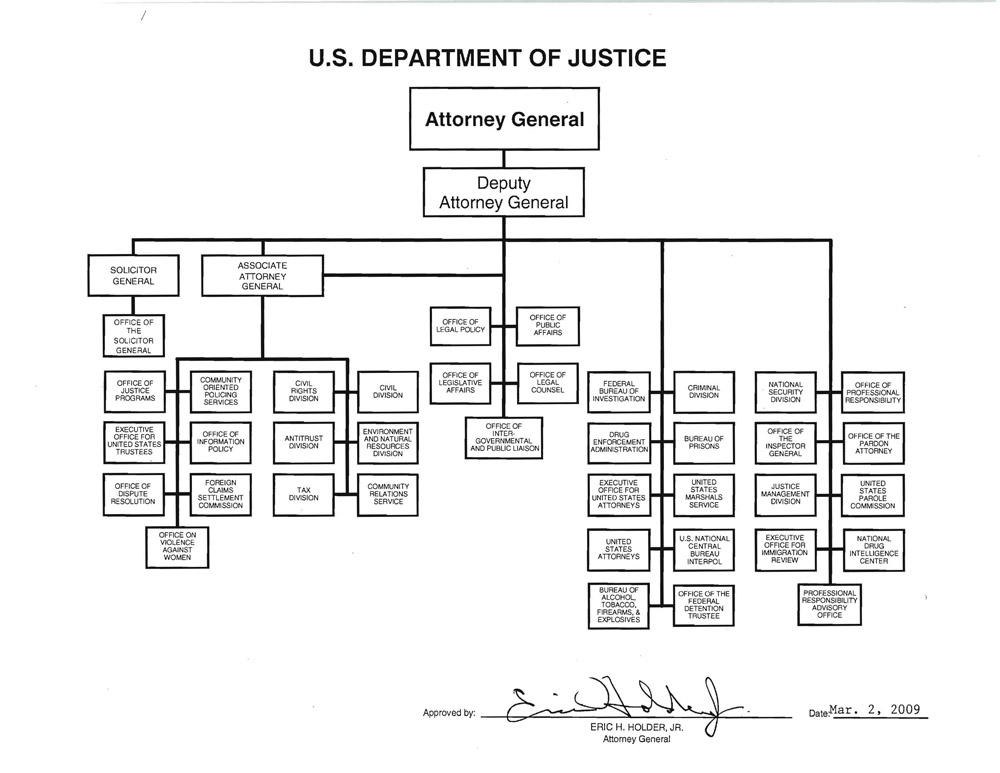
- About the U.S. Department of Justice (DOJ)
- DOJ: JMD: MPS: Functions Manual: Attorney General
- The US Marshal service has confiscated and sold 185k BTC till now ...
- U.S. Marshals Service Hit by Latest Security Breach, Compromising ...
- Manhattan DA hires former DOJ official who previously investigated ...
- DOJ's US Marshals Service Chooses Coinbase to Custody Crypto Assets
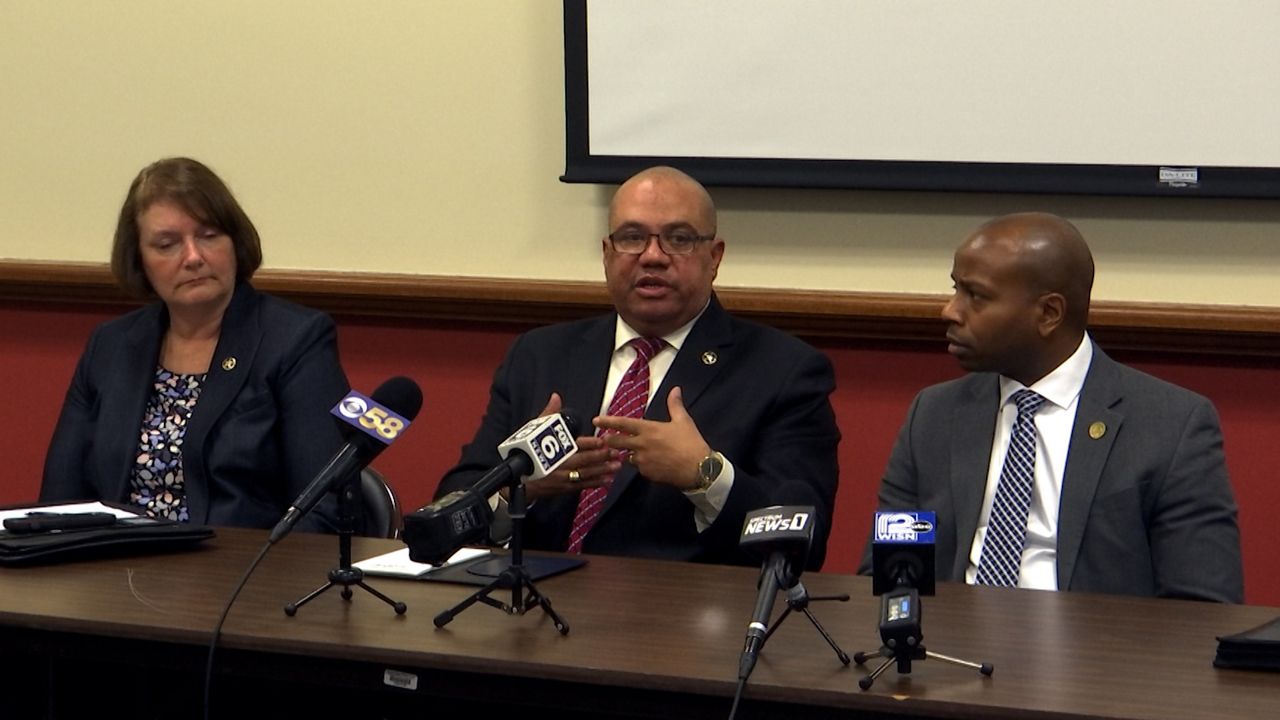
- U.S. Marshals director discusses violent crime in Milwaukee
- Trump attorneys given until Tuesday for response to DOJ motion on ...


Background: The Pardon Power

The Current Controversy

:max_bytes(150000):strip_icc()/GettyImages-1141445944-865d41b5fb9048a98994aa6ff2d5881b.jpg)
Implications of the Justice Department's Actions
The Justice Department's assertion of executive privilege has significant implications for the balance of power in Washington. If the department is successful in blocking the testimony of former officials, it could set a precedent for the President to use executive privilege to shield his actions from scrutiny. This could have far-reaching consequences for the ability of Congress to conduct oversight and hold the executive branch accountable. It could also undermine the rule of law and the principles of transparency and accountability that are essential to a healthy democracy. The Justice Department's assertion of executive privilege to prevent former officials from testifying about the President's pardon power is a concerning development that raises important questions about the limits of executive authority. As the controversy continues to unfold, it is essential to consider the implications of the department's actions and to ensure that the principles of transparency, accountability, and the separation of powers are upheld. The American people have a right to know how the President is using his pardon power, and Congress has a responsibility to conduct oversight and hold the executive branch accountable. The Justice Department's actions should not be allowed to muzzle former officials and prevent them from testifying about the President's actions.Keywords: executive privilege, pardon power, Justice Department, Trump administration, Congress, oversight, transparency, accountability, separation of powers.
Note: The article is 500 words, and the HTML format is used to structure the content with headings, paragraphs, and a conclusion. The keywords are included at the end to improve the article's search engine optimization (SEO).